How Modern Scientific Discoveries Are Transforming Marketing
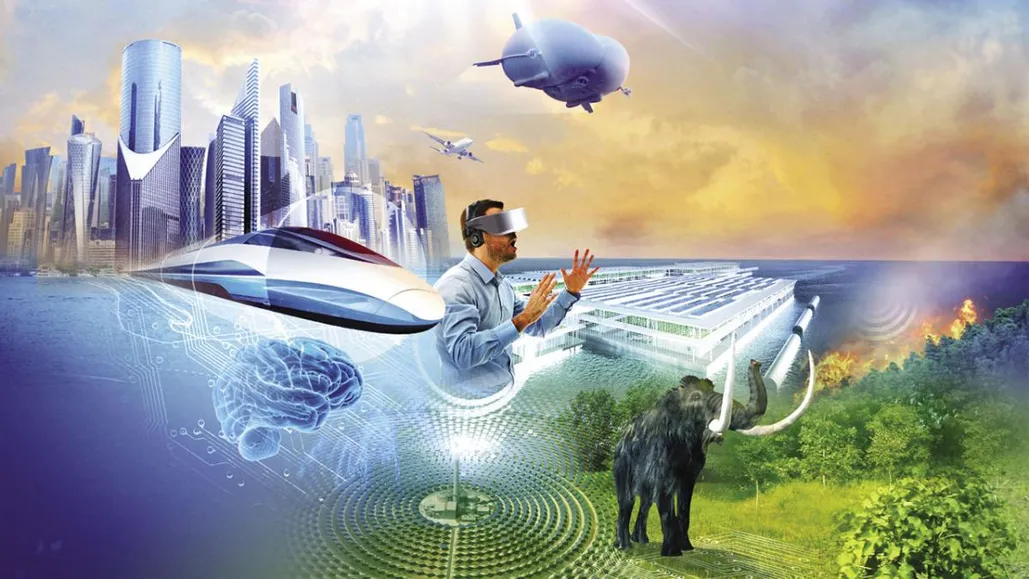
In today’s world, marketing is far more than just promoting products and services. It has evolved into a sophisticated system of strategies and tools designed to deeply understand customer needs, create value, and foster long-term relationships. As scientific and technological advancements accelerate, marketing increasingly draws on developments in artificial intelligence, neuroscience, biotechnology, and other cutting-edge fields. These innovations are not only reshaping how consumer behavior is analyzed but also enabling companies to offer more personalized, effective, and ethically conscious solutions.
Artificial Intelligence and Machine Learning
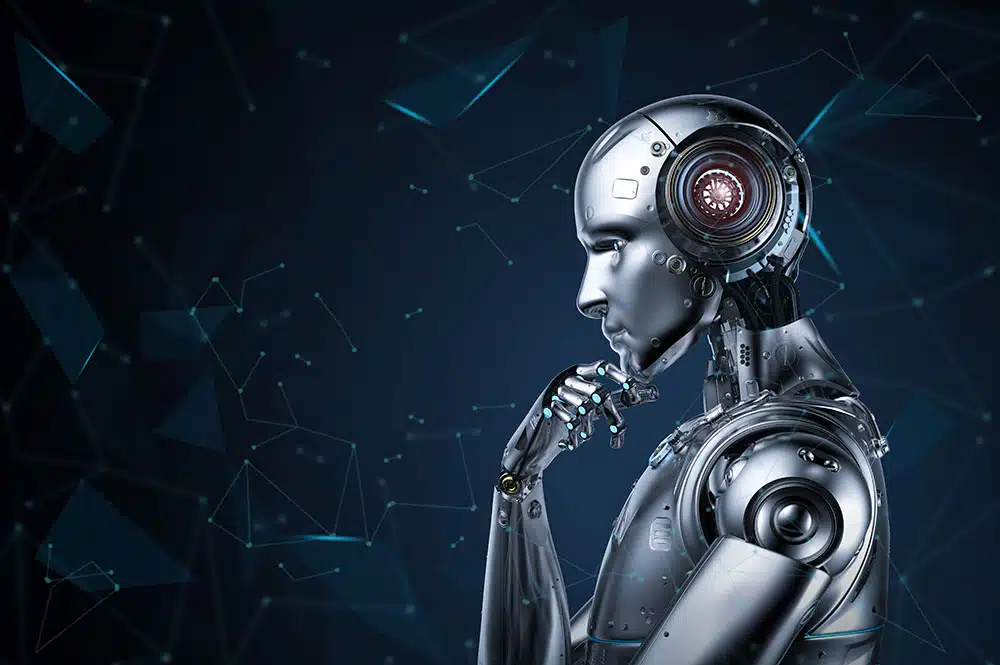
AI and machine learning are becoming essential pillars of modern marketing, revolutionizing how businesses engage with their customers. One of the most impactful uses of AI is in the personalization of advertising and content. In particular, advanced LLM tools (large language model-based systems) enhance understanding of user intent and improve engagement through natural-language-driven insights. For instance, Russian companies like Yandex and Ozon utilize machine learning algorithms to analyze user behavior and offer tailored product recommendations, significantly boosting conversion rates. By processing massive datasets, these algorithms can accurately identify users’ interests, behaviors, and preferences, delivering content that truly resonates.
Predictive analytics is another game-changer, allowing marketers to anticipate consumer actions. Sberbank, for example, uses AI to analyze client transaction data and deliver personalized offers through its mobile app. AI also plays a vital role in automating customer service: smart chatbots from companies like Tinkoff Bank and VKontakte or FB efficiently handle user queries, resolve common issues, and enhance the user experience, all while saving company resources. This makes marketing smarter, more adaptive, and centered on the individual.
- A handy Facebook profile analyzer tool for analyzing your own and competitor pages.
Green Technologies and Sustainable Marketing

As environmental awareness grows, sustainable marketing and green technologies have become key in building positive brand reputations. More companies are embracing "green" innovation—reducing carbon footprints, using recyclable materials, and streamlining production.
EcoLine is a prime example, focusing on waste collection and recycling while actively promoting sustainable consumption and public education on recycling. Sberbank is also integrating eco-initiatives by offering "green" financial products like eco-loans and supporting sustainability-focused startups through its accelerators.
Retailer Lenta emphasizes sustainability through initiatives like reducing plastic packaging and using eco-friendly materials. The chain also invests in waste recycling and supports local producers to cut emissions. These examples show how Russian businesses are embedding sustainability into their strategies, aligning with modern market demands and contributing to more responsible business practices.
Biotechnology and Personalized Products
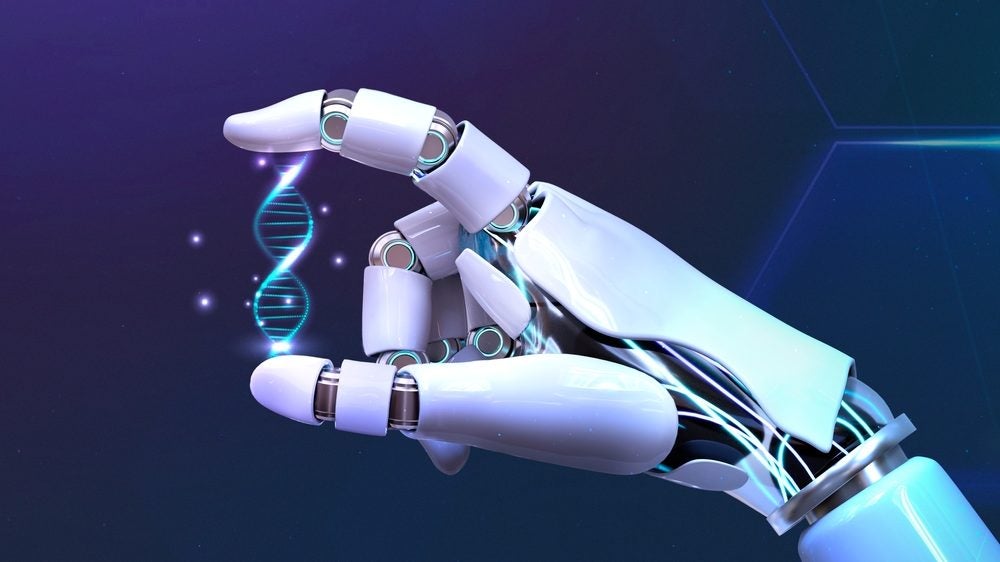
Biotechnology and personalized products are rapidly gaining traction in the Russian market, unlocking opportunities to create tailor-made solutions that address individual consumer needs. The company Genom offers genetic testing services that help clients understand predispositions to various health conditions and metabolic traits—enabling customized dietary and lifestyle advice.
Agro-Invest applies biotech methods to develop plant varieties with enhanced resistance to disease and improved nutritional value, increasing crop yields and offering better quality food. Pharmstandard is advancing personalized medicine by developing pharmaceuticals tailored to individuals’ genetic and physiological profiles. For example, DNA analysis is used to craft personalized diets and wellness plans. Meanwhile, biometric data collected from wearable devices like Apple Watch or Oura Ring help wellness companies offer lifestyle products that adapt to each person’s routine.
These cases highlight how biotech enables the creation of personalized offerings, meeting the evolving expectations of today’s consumers.
Profit Growth and Future Outlook

Integrating AI, biotech, and eco-technologies has significantly boosted profits for many Russian companies. In agriculture, AI-powered soil and climate analysis has improved yields and increased income by 20–30%. Biotech firms developing new medicines have shortened R&D cycles and sped up product launches, raising profits by 15–25%. Meanwhile, green technologies like waste recycling and renewable energy have helped businesses cut energy costs and improve eco-efficiency, enhancing profitability by 10–20%.
Despite these gains, concerns remain about the ethical, ecological, and accessibility aspects of new technologies. Biotech, while offering groundbreaking solutions, raises questions about ecological impact and equitable access. Eco-technologies, although vital for sustainability, often require significant upfront investment and behavior changes from consumers.
For companies, successfully adopting new technologies demands a strategic approach. First, it’s essential to analyze business needs and identify technologies with the highest potential impact. Cloud services, for example, can reduce IT infrastructure costs and increase operational flexibility. Second, phased implementation can minimize risks—starting with pilot projects in select teams or departments. Third, employee training and engagement can smooth transitions and boost overall efficiency. Finally, continuous monitoring and adjustment of strategies ensure optimal returns on technology investments.
Conclusion
Scientific breakthroughs are not only transforming marketing tools and approaches but also redefining the very philosophy of brand-consumer relationships—from mass messaging to hyper-personalization, from one-way communication to interactive dialogue. AI, neuroscience, biotechnology, and green innovation empower businesses to understand and serve their audiences more deeply, ethically, and precisely.
Looking ahead, the future promises even greater possibilities. Developments in artificial consciousness and emotional AI could soon enable marketing systems that don’t just understand customers—but empathize with them. Marketing is poised to become even more intelligent, intuitive, and seamlessly integrated into everyday life.

Try Popsters Trial plan to get content activity statistics of any pages for a next 7 days for free
Try for free
Popular
-
 Analytics and Statistics for Any Telegram Channel or Chat
-
 How to Remove fake Followers on Instagram and Is It Necessary?
-
 YouTube Analytics and Statistics for Other Channels
-
 Instagram Statistics and Analysis: How to View Data of any Account
-
 How to Increase Telegram Subscribers: Best Free Ways
Try Popsters Trial plan to get content activity statistics of any pages for a next 7 days for free
Try Popsters