Following is easy, buying is hard: How audiences make purchase decisions

Every day, users follow new accounts, channels, and communities. It takes only a few seconds and
requires almost no effort.
A person may enjoy a company’s content, read its posts regularly, like its publications, and follow its
social media for a long time — yet never make a purchase.
To understand why this happens, it is useful to look at the path a person takes from the simple decision
to become a follower to the much more complex decision to become a customer.
A follow doesn’t mean purchase intent
Audience growth matters for any business, but a new follower should not automatically be treated as a future customer.
People follow brands and creators for many different reasons:
- they are interested in the topic;
- they find the content useful;
- they want to keep up with trends and new products;
- they compare different companies;
- they save the account “for later”;
- they simply came across an interesting post.
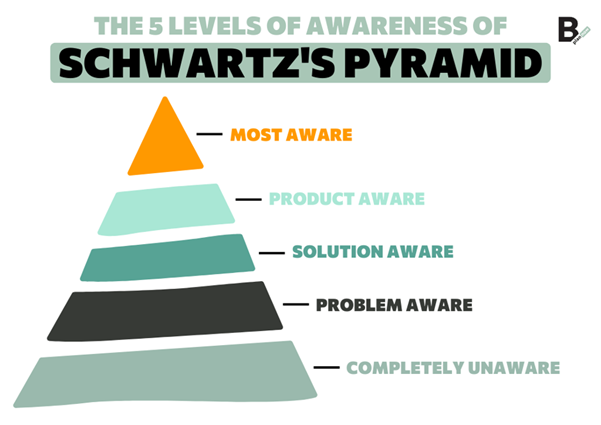
Research and marketing practice show that most followers are at different stages of awareness, and each of them may need a different path before making a purchase. This idea is well described in Eugene Schwartz’s model of customer awareness levels.
"Some people are already ready to buy. Others are only beginning to realize that they have a problem or a need. The same content cannot work equally well for all of them."
People buy from those they trust
According to Morgan and Hunt’s Commitment-Trust Theory, trust is one of the key factors in long-term relationships between a brand and its customers.
Before making a purchase, a person needs to believe that the company will deliver on its promises, solve the relevant problem, and meet expectations.
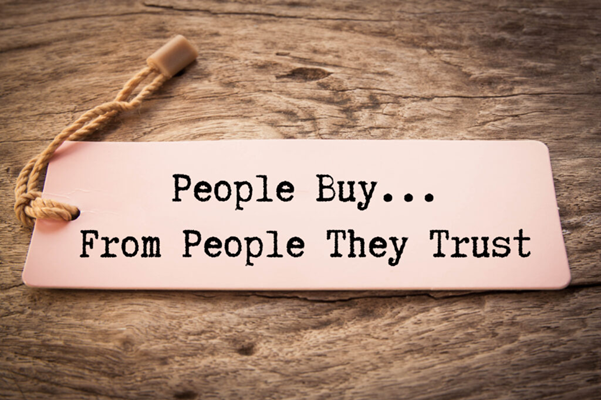
Therefore, the company’s task is not only to attract attention, but also to create conditions that strengthen trust at every stage of interaction.
Trust is built through expertise, transparent processes, clear pricing, understandable refund terms, guarantees, delivery costs, real customer reviews, and simple navigation for potential buyers.
For this reason, companies should regularly analyze the customer journey and go through it themselves from the perspective of a potential buyer. This makes it possible to identify and remove the obstacles that prevent people from completing a purchase.
Audience-offer fit
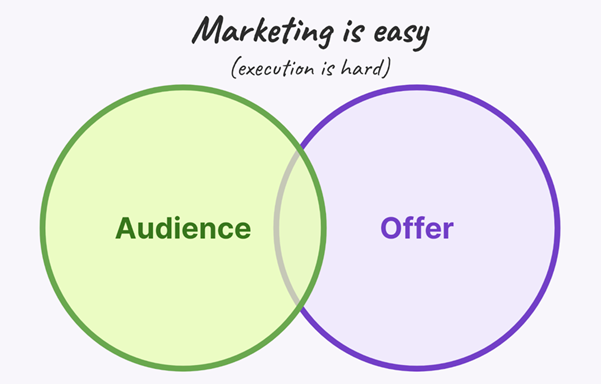
Sometimes the problem is not the quality of the content, but the quality and relevance of the audience. For example, an expert may sell services for medium-sized and large businesses, but publish basic advice for beginners. Such content may attract attention, but it does not address the needs or concerns of the target buyers.
If an audience actively consumes content but does not take any steps toward purchasing, the company should ask whether it is attracting potential customers or merely interested observers.
That is why it is important to analyze not only the number of followers, but also who these followers are: their age, gender, interests, needs, and expectations. In modern marketing, this is often described as audience-offer fit.
The next step must be clear
A 2000 study by Sheena Iyengar and Mark Lepper showed that a moderately limited choice can involve consumers in the buying process more effectively than either an excessive number of options or the complete absence of choice.
After engaging with content, a user should clearly understand:
- what to do next with this information;
- why this next step matters;
- what value or result they will receive.
If the next step is not clear, the person will usually return to the feed and soon forget what interested them a few minutes earlier, because their attention has already shifted to other content.
A call to action does not always need to be aggressive. Sometimes it is enough to invite the user to:
- download a guide or material;
- subscribe to a newsletter;
- book a consultation;
- ask a question;
- join a Telegram channel.
A purchase usually requires several contacts with the company
One of the most underestimated aspects of digital behavior is that people rarely make purchase decisions immediately.
Research in marketing and consumer behavior shows that before buying, a person typically goes through a series of contacts with a brand.
They may:
- see a post;
- follow the account;
- read several more posts;
- visit the website;
- study the product;
- read reviews;
- observe the company for several weeks.
Only after this does the decision to buy begin to form.
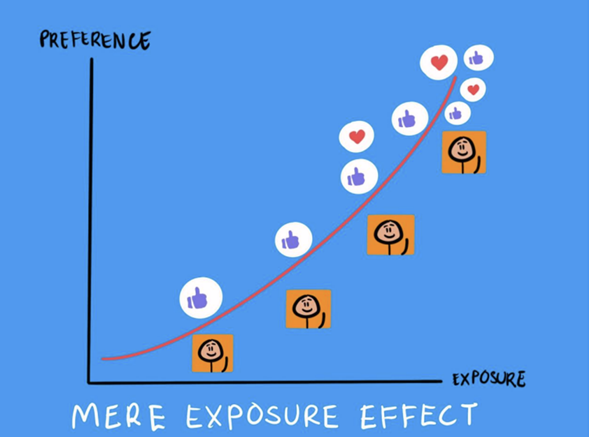
In psychology, this is related to the mere exposure effect. Studies have shown that people tend to develop greater trust and preference toward objects, brands, or ideas they encounter repeatedly.
This is why consistent content often works better than one-time viral posts. A viral publication may attract attention, but regular communication helps build familiarity, trust, and readiness to buy.
Conclusion
Social media is no longer just a sales channel. It plays a broader and more important role: it helps the audience become familiar with the brand, develop trust, prepare for a purchase, and eventually become customers.
Therefore, the main business question should not be, “Why don’t followers buy?” a more productive question is, “What prevents people from moving from interest to trust?”
Companies should regularly analyze their audience, evaluate how well their content matches that audience, and update their content strategy when necessary.
The reason for a lack of sales is often found precisely at this point: in the gap between attention, trust, and a clear path to purchase.

Try Popsters Trial plan to get content activity statistics of any pages for a next 7 days for free
Try for free
Popular
-
 Instagram Statistics and Analysis: How to View Data of any Account
-
 How to Remove fake Followers on Instagram and Is It Necessary?
-
 Analytics and Statistics for Any Telegram Channel or Chat
-
 How to Increase Telegram Subscribers: Best Free Ways
-
 YouTube Analytics and Statistics for Other Channels
Try Popsters Trial plan to get content activity statistics of any pages for a next 7 days for free
Try Popsters