How to prepare content for sales and major promotions

Black Friday is coming up on November 27, 2026. Many stores and brands are preparing discounts and special offers for the occasion, and social media is filling up with sale announcements.
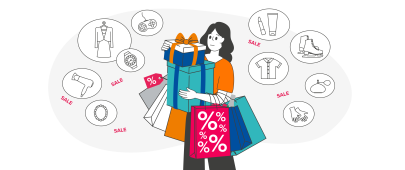
Sales and promotions help brands attract attention, increase revenue, and introduce potential customers to their products. During this period, it is important not just to announce discounts, but to plan content and its publishing schedule in advance. This helps build interest, communicate the offer clearly, and guide customers toward a purchase.
These principles apply not only to seasonal sales but also to regular promotions and special offers.

What to consider when preparing content for a sale?
Content planning starts with defining the campaign's goals and objectives. They determine which topics to cover, which products or services to focus on, and what actions the brand wants its audience to take.
For example, if the main goal is to attract new customers, publications can introduce the brand, its products, and their key features. If the company wants to increase sales of specific products, the content should focus on those items and the details of the offer. If the goal is to bring existing customers back, the focus can shift to special deals on repeat purchases and products that may appeal to regular customers.
Once the goals are defined, it is important to select the products or services included in the promotion, as this determines what information to feature in the publications. Some products may benefit from individual posts highlighting their advantages, while others are better suited to product roundups or comparisons of several offers. The content should communicate the product's value and explain why the offer might be appealing to the audience.
It is also important to prepare posts explaining the promotion's terms and conditions in advance. This information can help reduce repetitive questions and prevent potential customers from losing interest due to a lack of details.
If the company has run similar sales before, reviewing previous publications can help plan the next campaign more effectively. The analysis should focus on which posts received the most engagement, how many days before the sale the audience became more active, and which formats worked best for promoting special offers.
How to plan communication before the sale?
Pre-sale content helps build interest and prepare potential customers for the start of the promotion. Instead of publishing a single announcement, it is better to create a series of posts, each revealing new details about the sale and helping maintain audience interest.
The first step is to announce the upcoming sale. Publications should include the dates, introduce the event, and briefly outline the main product or service categories included in the promotion. At this stage, the goal is to attract attention and give the audience a reason to follow future updates.
Next, the details of the offer can be revealed gradually. This can include product or service roundups, individual product reviews, and posts highlighting their benefits. Such content not only reminds people about the brand but also helps them understand what to look for during the sale.
A separate part of the content plan should focus on the promotion's terms and conditions. The audience needs to know in advance what discounts are available, how long the offer will last, and whether any restrictions apply. This information can be presented in carousel posts, short videos, or posts answering frequently asked questions.
As the sale approaches, it is useful to schedule reminders about the start date. This helps bring back the attention of people who have already seen the announcement but may have forgotten about the upcoming sale. These posts can highlight the most attractive offers or feature products and services included in the promotion.

For example, an online clothing store is preparing a sale on its autumn collection. A week before the launch, the brand publishes an announcement with the dates and mentions that selected items will be discounted. A few days before the sale, it posts a roundup of products from the collection, followed by a separate post explaining the sale terms and discount amounts. The day before the launch, the store reminds followers of the start time and encourages them to browse the items they like in advance.
At the same time, it is important to maintain a balance between promotional messages and the account's regular content. If the feed consists only of sale announcements and discount reminders, the audience may quickly lose interest. Sale-related posts should therefore be combined with other formats and topics that are not directly connected to the upcoming promotion.
By the time the sale begins, the audience is already familiar with the offer, understands its terms, and knows where to find the necessary information.
How to keep the audience interested during the sale?
During the sale, it is important to maintain audience interest and help potential customers move from discovering the offer to making a purchase. At this stage, content should not be limited to announcing current discounts. It should regularly highlight product benefits, answer followers' questions, and remind them how long the promotion will last.
In the first few days, a post announcing the sale launch should be published with the terms and links to key products or services.
Throughout the sale, publications can focus on individual products, categories, or special offers. For example, an online clothing store can publish a roundup of discounted items, then show several outfits featuring pieces from the sale, and create a short video demonstrating their details and fit. This makes communication more varied and gives the audience more information about the products included in the promotion.
Handling questions and feedback is another important part of the content strategy. Users may ask about product features, size availability, delivery terms, and payment methods. If several followers ask similar questions, the answers can be combined into a separate post, a series of Stories, or a short video. For example, if customers frequently ask how to choose the right size, the store can prepare a visual guide with a size chart.
As the sale comes to an end, publications should mention how much time is left, highlight popular products, or remind the audience of the discount terms.

It is also important to keep publications up to date throughout the promotion. If certain products are sold out, the terms change, or new offers become available, social media information should be updated promptly. For example, if an item is no longer available, the store can prepare a roundup of similar products that are still on sale. This helps direct customers to the current selection.
Ultimately, sale content should do more than remind people about discounts. It should help the audience understand the offer, evaluate the products, and make a purchase decision.
How to wrap up communication after the sale?
The end of the promotion should be announced promptly in a separate post or a series of Stories, thanking the audience and informing them that the special terms are no longer available.
It is also important to review all publications and materials mentioning the discounts. If sale information remains in pinned posts, links, Highlights, or the profile description, it should be removed or replaced with up-to-date information.
After the sale, the content plan can gradually return to the account's regular topics. It is worth planning publications in advance that connect the completed campaign with the brand's next content goals.
For example, after a sale on its autumn collection, an online clothing store can publish a post announcing the end of the promotion, remove discount information from pinned posts, and then return to product reviews, styling tips, and the introduction of its new winter collection.

How to evaluate content performance after the sale?
Once the promotion is over, it is important to evaluate both commercial results and social media performance. Instead of reviewing posts individually, it is useful to analyze them as part of the entire sale campaign. This helps identify which topics and formats attracted the most attention, which messages generated engagement, and at what stage audience interest was highest.
For example, an online clothing store may find that product roundups attracted the most attention before the sale, videos featuring outfit ideas received more engagement during the promotion, and discount deadline reminders generated more responses as the sale came to an end.
However, social media engagement is not always directly related to sales. Content performance should therefore be compared with the number of inquiries and orders, revenue, and the conversion rate from inquiries to purchases. These figures can be obtained from the CRM system, website analytics, and internal company reports.
For example, a product roundup may receive a lot of saves but fail to generate a noticeable increase in orders. In this case, it is worth checking whether the offer terms were clear, whether the post included links to the products, and whether users could easily proceed to checkout. High engagement on social media does not necessarily mean that a publication achieved its commercial goal.

The analysis can help identify which approaches should be retained for future campaigns and which need to be reconsidered. For example, the brand may change the publishing sequence, focus more on certain formats, or provide more details about the offer before the sale begins. This way, social media statistics become a foundation for planning future campaigns rather than just a report on a completed sale.

Try Popsters Trial plan to get content activity statistics of any pages for a next 7 days for free
Try for free
Popular
-
 YouTube Analytics and Statistics for Other Channels
-
 How to Increase Telegram Subscribers: Best Free Ways
-
 Analytics and Statistics for Any Telegram Channel or Chat
-
 How to Remove fake Followers on Instagram and Is It Necessary?
-
 Instagram Statistics and Analysis: How to View Data of any Account
Try Popsters Trial plan to get content activity statistics of any pages for a next 7 days for free
Try Popsters