Marketing on TikTok: Brevity as a Superpower for Promotion

Over the past few years, TikTok has transformed from a platform for teenagers dancing in front of their phones into one of the most influential spaces for digital marketing. With over a billion active users worldwide and growing—especially among younger audiences and Gen Z—TikTok is unique in that its content is created and consumed in the format of short vertical videos where instant attention-grabbing is key. This requires brands to take a completely different approach to communication and marketing on TikTok: traditional advertising formulas don’t work, and success often depends on the ability to adapt to trends and speak the audience's language.
In this article, we’ll explore how companies can effectively use TikTok’s short video format not only to make their presence known but also to achieve real marketing results
The Uniqueness of the TikTok Format for marketing

TikTok's format sets its own rules for marketing: the limited video length—from a few seconds up to one minute—forces content creators to be as concise and expressive as possible. Most popular videos are within 15 seconds, perfectly matching the habits of mobile users scrolling through their feeds in search of something vivid and instantly engaging. The vertical format plays a crucial role—TikTok was designed as a mobile app, so everything is geared toward quick and convenient content consumption on the go. This is important to consider for successful marketing on TikTok, if you want to promote something.
The platform’s core feature is its powerful recommendation algorithm, which doesn’t rely on follower count. It shows users content based on their interests and in-app behavior, meaning that even a video from an unknown brand can instantly go viral. That’s why it’s critical to "hook" the viewer within the first two to three seconds—with eye-catching presentation, surprising elements, or by tapping into trending topics.
Why Brevity Works

Modern social media users have extremely limited attention spans: studies show that the average attention span while viewing content is just a few seconds. In the flood of information on TikTok, a brand literally has 2–3 seconds to capture a viewer’s interest. The key message should therefore be delivered as quickly and simply as possible, without complex explanations or unnecessary details. Simplicity of perception directly affects engagement—the easier a video is to “read,” the more likely users are to watch it to the end, like it, or share it. Short formats also support virality: they’re easier to consume, rewatch, and send to friends. Additionally, TikTok’s algorithms actively push such videos into recommendations, significantly boosting their reach and making them a powerful promotional tool.
- A useful and convenient TikTok analyzer tool for analysis your own and competitor pages.
Successful TikTok Marketing Examples

Successful brand cases on TikTok show just how versatile the platform can be for promotion. One of the standout examples of TikTok marketing is the clothing brand Guess with its #InMyDenim campaign. The brand launched a challenge where users showcased a transformation from casual wear to stylish Guess outfits set to a trending song. This quickly went viral and helped the company attract a young audience interested in fashion and self-expression.
In Russia, a similar approach was used by Lamoda, which launched a dance challenge with influencers, resulting in millions of views. A local business example is a small coffee shop in St. Petersburg, "Tochka Kofe", which regularly uses trending TikTok sounds and humorous videos about barista life. Thanks to hitting the recommendation feed, their account drove increased foot traffic and offline orders.
A third example of great TikTok marketing is Duolingo, an international language learning platform. The brand runs a TikTok account featuring a series of short videos where their quirky owl mascot reacts to trends, responds to comments, and engages viewers in the learning process. This approach made Duolingo go viral and strengthened its connection with a younger audience, boosting interest in its product.
How a Brand Can Create Effective Short Content on TikTok

To create effective short content for TikTok, a brand needs to understand how users perceive the platform. The first 3 seconds are crucial—this is when a viewer either stays or scrolls past. So, the video must start with something vivid, unexpected, or visually engaging—this could be a unique frame, a question, an emotional expression, or a catchy sound. Leveraging trending audio and formats significantly increases the chances of being recommended, as TikTok’s algorithm favors current content for content and account promotion. At the same time, simplicity is key: one video, one idea. Trying to cram multiple messages into one video only confuses viewers and reduces effectiveness.
A clear call-to-action is also essential: “follow us,” “click the link,” “comment below”—all of this should be naturally integrated into the story. Visual elements are just as important—good lighting, close-ups, dynamic editing, and thoughtful use of on-screen text boost engagement and help the video stand out.
Tools and Approaches for promotion on TikTok
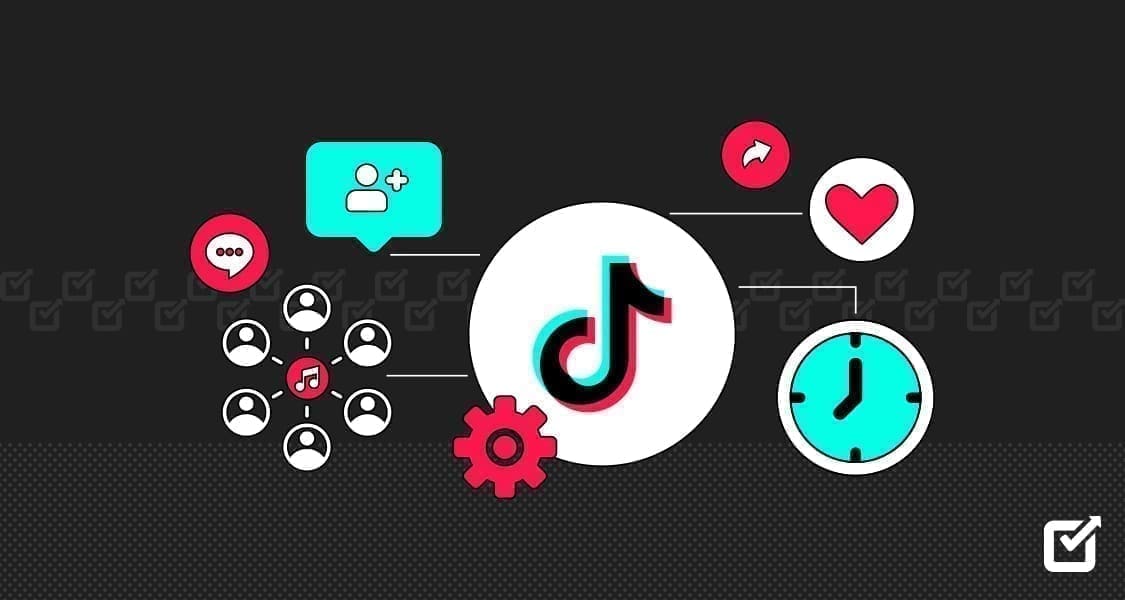
To promote effectively on TikTok, brands can use both organic methods and paid tools provided by the platform. TikTok Ads Manager is a full-fledged advertising system offering various formats: In-Feed Ads (videos shown between user content), TopView (ads displayed upon app launch), Branded Hashtag Challenges (user-generated content around a theme), and Branded Effects (filters and masks with brand logos). These formats enable broad reach and high brand awareness in large-scale campaigns.
At the same time, working with micro-influencers—creators with 10,000 to 100,000 followers—often yields higher engagement and trust from niche audiences. Such collaborations look more natural and seamlessly blend into content feeds.
Analytics is a critical part of any TikTok strategy: brands should track not only views but also engagement metrics (likes, comments, shares), attention retention (how long viewers watch), and conversions (link clicks, subscriptions, purchases).
The Popsters content analytics tool will help you analyze competitors and identify insights.Deep analysis of this data helps refine strategies and boost effectiveness.
Mistakes to Avoid in TikTok marketing

One of the biggest mistakes brands make on TikTok is trying to apply strategies that work on Instagram or YouTube. Long monologues, staged videos with lengthy intros, or overly polished aesthetics often feel out of place on TikTok, where users value spontaneity, humor, and lightness. Excessive on-screen text or complex scripts with many transitions overwhelm viewers and reduce attention retention—if they don’t get what the video’s about in the first few seconds, they’ll scroll past.
Ignoring current trends and the cultural context of the platform is another route to failure. For example, major brands like Pepsi and McDonald’s initially posted ads that weren’t adapted to the TikTok format—they felt like traditional TV commercials, and users didn’t take them seriously. Meanwhile, local competitors who followed trends and engaged audiences through challenges or humorous content garnered hundreds of thousands of views. Success on TikTok requires flexibility, self-irony, and the ability to speak the audience’s language.
The Future of Short-Form and TikTok Marketing
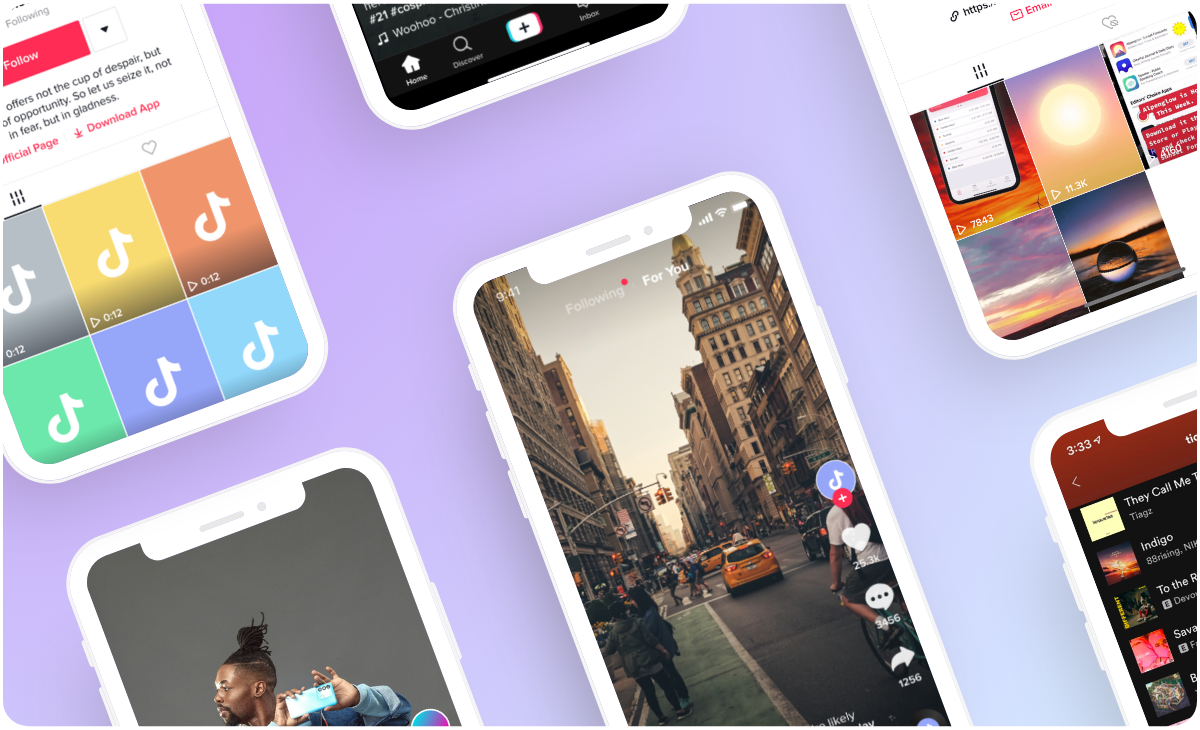
The future of short-form video content and TikTok marketing looks more than promising, especially as other platforms are actively copying its successful model. Instagram’s Reels and YouTube’s Shorts confirm that short videos have become not just a trend but a stable format for consuming information. TikTok continues to lead, solidifying its role not only as an entertainment app but also as a search platform—especially among younger audiences. Users increasingly turn to TikTok for advice, recipes, reviews, and recommendations—essentially competing with Google. This opens up new opportunities for brands: to become not just entertainment, but a source of useful and engaging content.
- A useful and convenient YouTube channel analyzer tool for analyzing your own and competitor pages.
Another important trend is the development of e-commerce within TikTok. In some countries, in-app stores, direct video sales, and one-click purchases are already operational. This turns the platform into not just a promotional tool, but a full-fledged marketplace. All of this indicates that TikTok marketing is becoming an essential part of digital strategy—especially for brands that want to stay relevant and connected with younger consumers.
Conclusion
TikTok clearly shows that brevity is not a limitation but a powerful advantage. The ability to convey an idea in 15 seconds, grab attention from the first frame, and integrate into digital culture is the key to success in modern marketing. The short format opens new doors for creativity, engagement, and rapid content distribution. And most importantly—you don’t need a big budget or studio equipment to get started. A smartphone, audience insight, and a willingness to experiment are enough. TikTok is a platform where it’s not the size of the brand that matters, but the speed of reaction and creative approach.
Useful articles on a similar topic:
- A Complete Guide to TikTok Analytics and Reporting;
- How to go viral on TikTok in few steps;
- Marketing Collaborations: Best Examples, Benefits & Strategy

Try Popsters Trial plan to get content activity statistics of any pages for a next 7 days for free
Try for free
Popular
-
 How to Increase Telegram Subscribers: Best Free Ways
-
 YouTube Analytics and Statistics for Other Channels
-
 Analytics and Statistics for Any Telegram Channel or Chat
-
 How to Remove fake Followers on Instagram and Is It Necessary?
-
 Instagram Statistics and Analysis: How to View Data of any Account
Try Popsters Trial plan to get content activity statistics of any pages for a next 7 days for free
Try Popsters