'Scary marketing': how brands are preparing for Halloween
Trick or treat? The scariest day of the year is approaching, when people transform into characters from various films, nearly every building is adorned with pumpkins, and numerous themed events take place. The majority of online searches revolve around finding creative costumes.
Halloween is an excellent opportunity for brands to diversify their content, attract more attention, and engage with consumers.
Holiday Frenzy: What Are the Benefits of Creating Halloween-Themed Content?
Holidays offer a perfect playground for creativity, exciting ideas, and attracting potential customers. Every brand, regardless of its business focus or target audience, can adapt to the spookiest day of the year.
But why should brands invest in seasonal marketing campaigns?
Increased Sales. Halloween encourages consumers to boost their spending across a wide range of products, from costumes and decorations to candy, food, and drinks. Many brands, by creating special offers and launching limited-edition themed products, see a significant rise in sales during this period. Offering exclusive or limited-time items creates a sense of urgency and uniqueness that draws in more attention from consumers.
Increased Social Media Engagement. Halloween is a holiday dominated by visuals and creativity. Social media users actively share photos of their costumes, decorations, and parties. Brands can tap into this trend by organizing contests, challenges, and creative posts that encourage users to share content and engage with the brand.
Building Emotional Connections with the Audience. Halloween-themed advertising campaigns, interactive events, and creative challenges help shape a positive brand image and strengthen customer loyalty. These efforts help establish an emotional bond with the audience during the festive season.
A Platform for Creative Marketing. Halloween gives brands the chance to break free from standard advertising formats and showcase their creativity. Companies can create unique commercials, viral videos, and themed events that capture consumers' attention and help the brand stand out among competitors.
Boosting Brand Awareness. Halloween marketing is an opportunity for companies to make a statement. With some creative flair, brands can catch attention and increase their visibility through holiday-themed marketing.
Tools for "Frightening" Marketing
With creative marketing strategies, brands can create unique content and immerse their customers in the holiday spirit. What tools can brands use in their marketing strategies during Halloween?
Creating Themed Content
Brands often design special campaigns to reflect the Halloween atmosphere. This may include:
- Website and Social Media Design: Many companies temporarily update their logos, website graphics, and social media profiles with pumpkins, ghosts, and other Halloween imagery. This sets a festive mood and captures consumer attention.
- Content Marketing: Brands publish Halloween-themed articles, blogs, and videos—such as treat recipes, costume ideas, or party planning tips.
Launching Special Products and Promotions
Many brands develop limited-time products for Halloween. For example:
- Sweets and Treats: Confectionery brands often release limited-edition Halloween-themed packaging and create unique flavors associated with the holiday.
- Cosmetics and Fragrances: Beauty brands offer themed sets with products designed for Halloween, like bold "spooky" eyeshadow shades or kits for party makeup looks.
- Clothing and Accessories: Fashion stores promote costumes and accessories, offering special deals on limited collections for Halloween.
Engaging Customers Through Social Media
Social media provides brands with a great platform to engage customers during the holiday season.
- Contests and Giveaways: Brands can host contests for the best Halloween costumes or decorations, offering prizes for participation. This not only engages users but also boosts post reach.
- Hashtags and Challenges: Using Halloween-related hashtags helps brands expand their audience. Challenges, like creating themed looks using the brand’s products, become popular and encourage active customer interaction.
Hosting Unique Events and Promotions
Some brands organize special Halloween-related events to attract customers. This can include:
- Promotional Events: Brands can host parties or events where attendees can try products, participate in contests, and receive giveaways.
- In-Store Sales: Local stores may organize Halloween sales with special deals on selected products, helping draw in shoppers and increase sales.
Using Humor and Creativity
Brands stand out from competitors by using humor and a creative approach in their campaigns. For example:
- Viral Videos: Brands can create short, funny Halloween-themed videos that quickly go viral, increasing brand awareness and engagement.
- Memes and Jokes: Leveraging relevant memes and jokes in the context of Halloween allows brands to create a light-hearted, relaxed atmosphere.
Examples of Successful Halloween Marketing Campaigns
Each year, some of the most memorable and creative marketing solutions emerge during the Halloween season. Here are a few standout examples:
Starbucks: Special Halloween Drinks
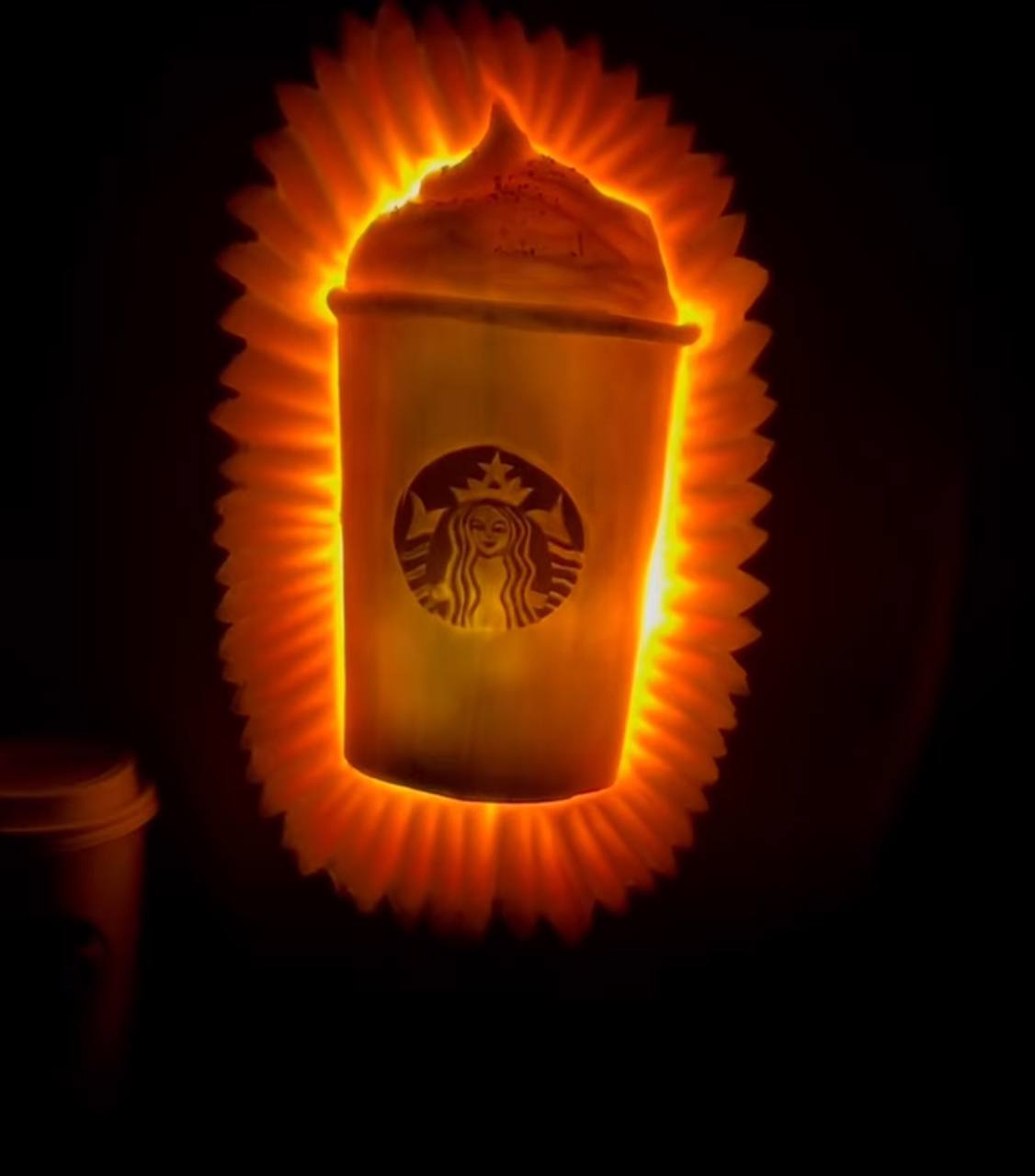
Starbucks traditionally launches special drinks for Halloween, with the iconic "Pumpkin Spice Latte" leading the charge. Celebrating its 21st anniversary this year, this drink has become a seasonal favorite. In 2023, Starbucks focused on unique packaging and visually striking elements for social media to enhance its Halloween campaign.
Chipotle: "Boorito" Campaign
 Chipotle’s "Boorito" promotion offers discounts to customers who visit their restaurants in creative Halloween costumes. The brand promotes this campaign through social media and email marketing, encouraging customers to share their photos with the hashtag #Boorito. This creates a festive atmosphere and increases engagement with Chipotle’s restaurants.
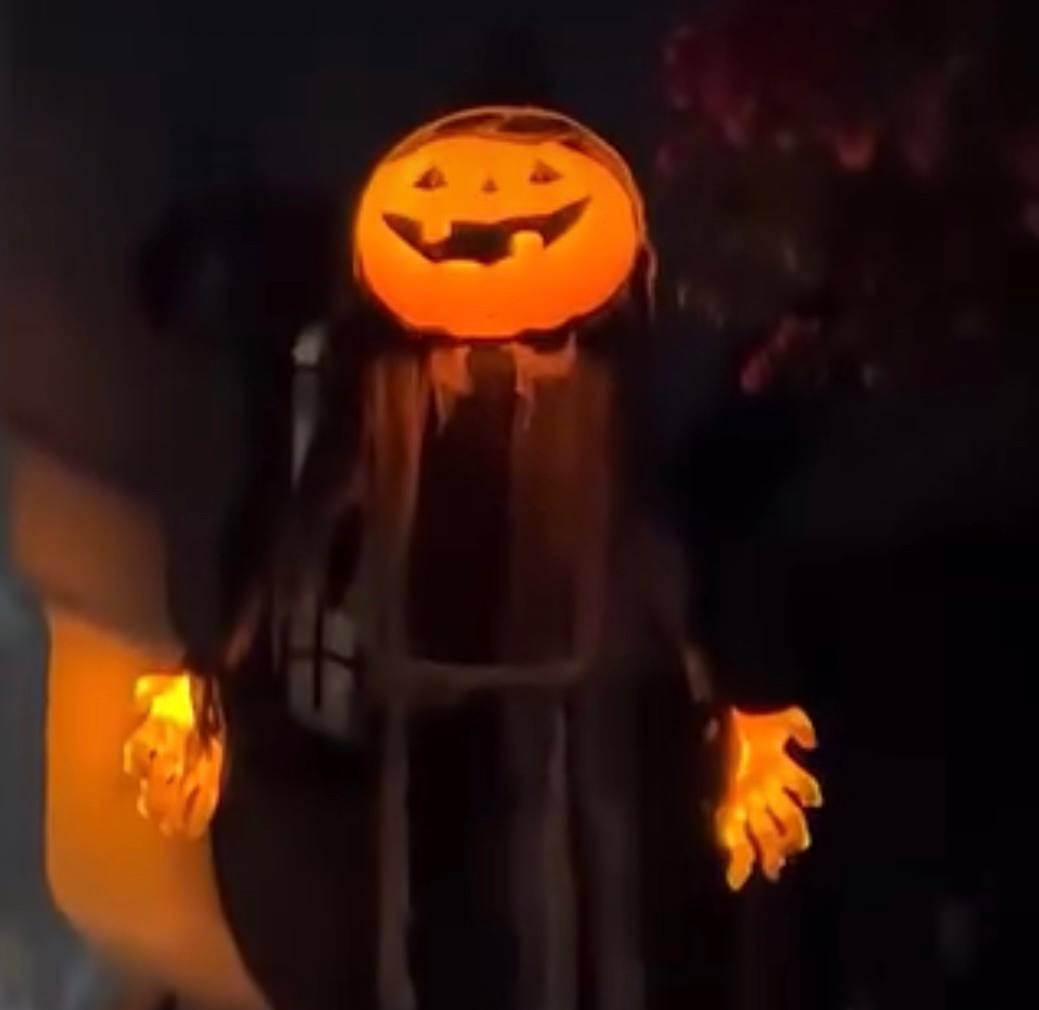
Netflix: Cross-Promotion with Halloween Content
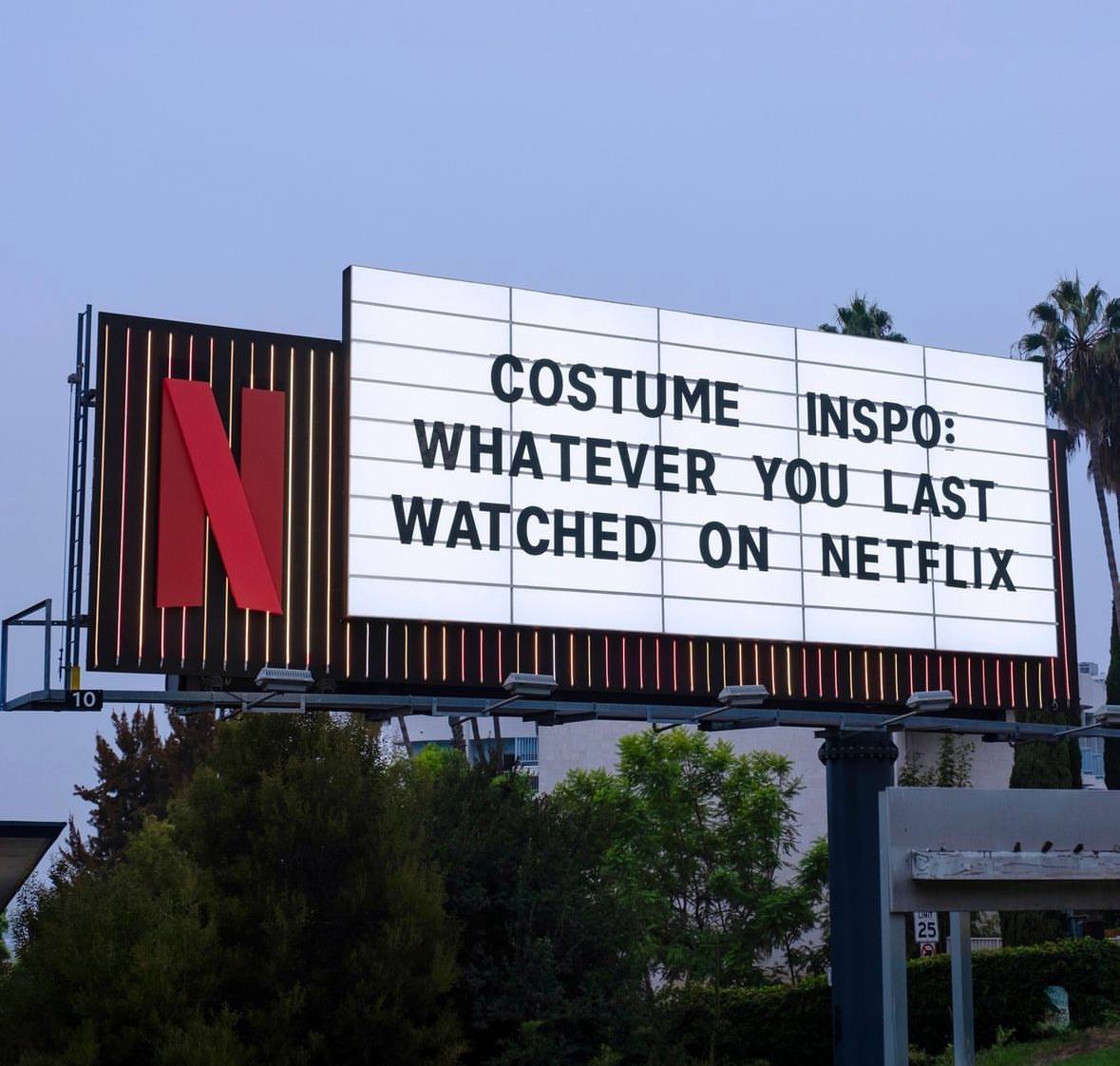 Netflix leverages Halloween to promote its horror series and films, creating themed posts and cross-promotions. The platform designs special Halloween covers for its content and launches campaigns encouraging subscribers to share their favorite horror films or series. This not only boosts engagement but also draws attention to the platform’s content library.
Amazon: "Haunting Deals"
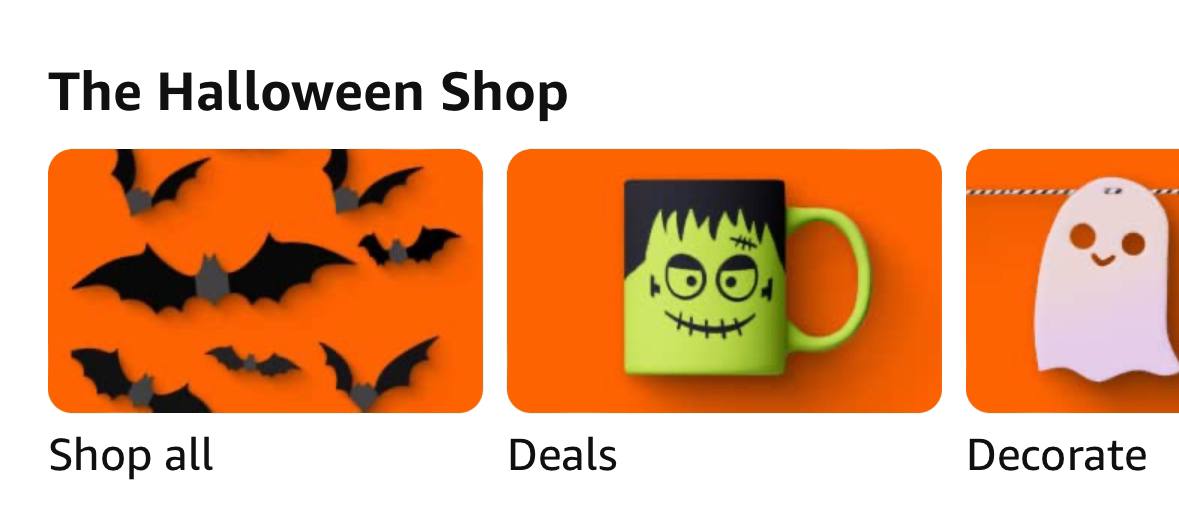 Amazon takes advantage of Halloween by launching sales and special offers on holiday-related products like costumes, decorations, and candy. The brand uses email newsletters and social media advertising to inform users about these limited-time offers, creating a sense of urgency and driving purchases.
LUSH: Themed Cosmetics
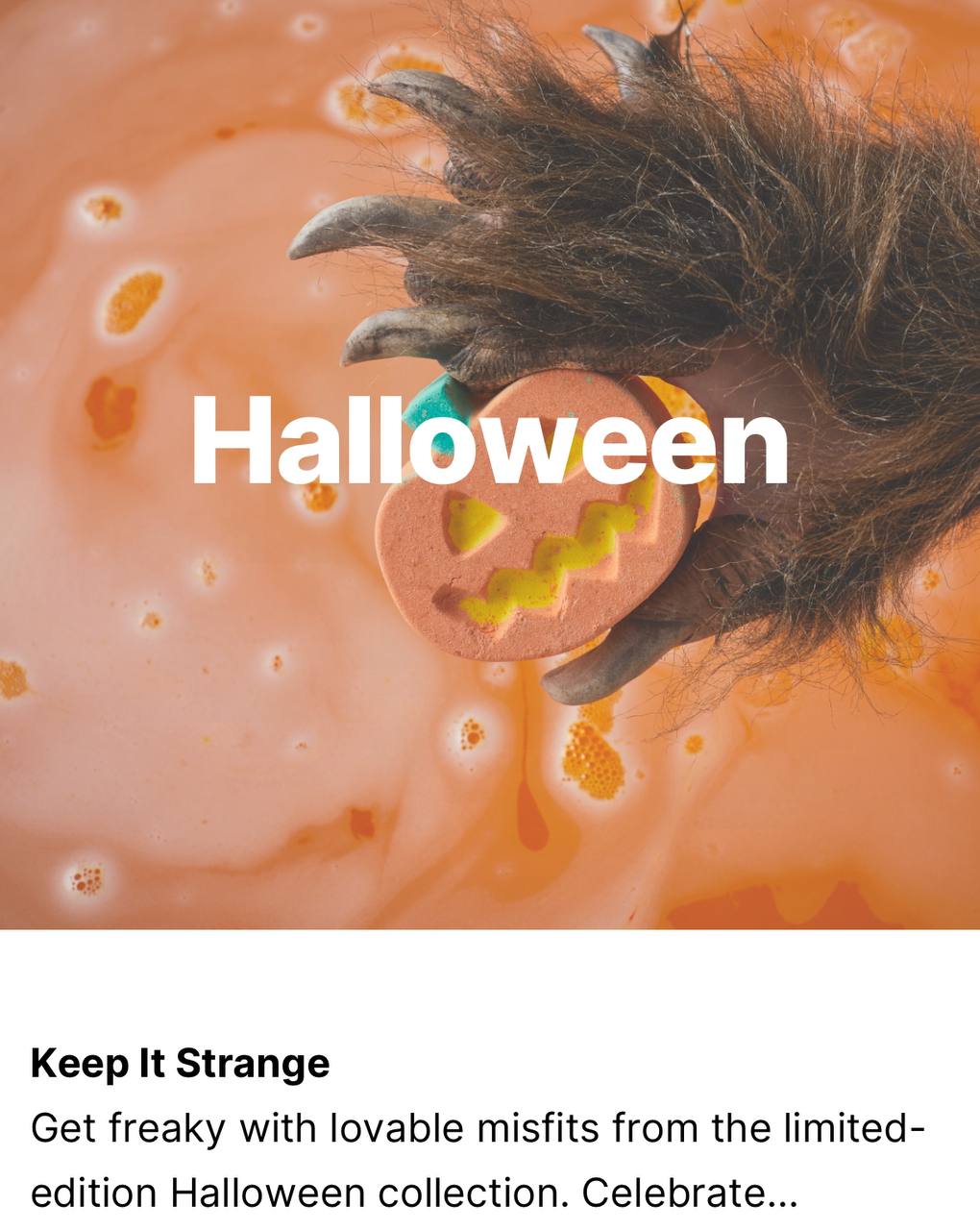 British handmade cosmetics brand LUSH frequently releases limited-edition Halloween products, such as pumpkin-shaped bath bombs or cinnamon-scented soaps. LUSH actively uses Instagram and TikTok to share videos showcasing the use of these products, while also organizing photo contests for the best Halloween-themed image. This strategy boosts both customer engagement and brand visibility during the holiday season.
These examples demonstrate how brands can creatively capitalize on Halloween to boost engagement, drive sales, and build lasting connections with their audience.
How to Incorporate Halloween into Your Marketing Strategy

To successfully execute a Halloween-themed marketing campaign, you need a well-structured process, starting from goal-setting to post-campaign analysis. This approach not only enhances efficiency but also helps maximize return on investment (ROI).
1. Setting Campaign Goals
Goal-setting is the first and most crucial step in any marketing campaign. For Halloween, the primary goals may include increasing sales, boosting brand awareness, or engaging with your audience. However, it’s important to define specific, measurable targets that serve as benchmarks for success.
Example Goals:
- Increase Sales: Aim to boost sales of Halloween-related products or services by 20% compared to the previous year. Alternatively, set a revenue target, such as generating $50,000 in Halloween product sales within a week.
- Enhance Brand Awareness: Increase social media followers or website traffic by 10% during the Halloween campaign period.
- Boost Engagement: Achieve a 30% rise in user-generated content by launching an interactive Halloween challenge or contest on social media.
2. Audience Segmentation
Halloween attracts a diverse audience, and understanding who will be most interested in your campaign is critical to its success. Proper segmentation allows brands to focus their efforts on the most promising consumer groups.
Age Segmentation:
- Younger audiences, particularly Gen Z and Millennials, tend to be more actively involved in Halloween. They are more likely to buy costumes, attend themed parties, and share their experiences on social media.
- Older generations may not engage with Halloween as enthusiastically. Tailoring your campaign messaging and offers to suit these different demographics is essential.
Geographical Segmentation:
- Halloween is celebrated differently across various regions. If your campaign targets an international audience, consider the cultural significance of the holiday in different countries and regions to ensure relevance.
Behavioral Segmentation:
- Social media users who enjoy participating in themed events, contests, and challenges might be more responsive to interactive campaign formats such as Halloween-themed competitions or challenges.
3. Developing a Creative Concept and Campaign Format
This stage involves coming up with a unique, memorable concept for your campaign. The creative idea should capture the spirit of Halloween while resonating with your target audience. It’s important to choose a format that best conveys the festive atmosphere and encourages maximum audience engagement.
Key Considerations for Creative Campaigns:
- Visual Appeal: Halloween is a highly visual holiday. Use spooky or festive imagery, such as pumpkins, witches, and ghosts, to create an eye-catching campaign.
- Interactive Elements: Incorporate interactive features like photo contests, themed challenges, or games that allow customers to get involved. This boosts engagement and encourages user-generated content.
- Limited-Time Offers: Create a sense of urgency by offering limited-edition Halloween-themed products or exclusive deals, which can incentivize faster purchasing decisions.
- Social Media Activation: Use hashtags, filters, or AR elements to encourage your audience to share their Halloween experiences with your brand, making them feel more connected.
By setting clear goals, understanding your audience, and crafting a compelling campaign concept, your Halloween marketing efforts can effectively capture the festive spirit and yield significant results.
Campaign Formats:
- Festive Email Newsletter:
Create a series of emails for your subscribers featuring Halloween-themed offers, discounts, and special products. Each email should be designed with vibrant Halloween visuals to catch attention and enhance the festive feel. - Contest:
A Halloween contest is a popular and highly engaging format. Encourage your subscribers to create costumes or decorations using your products, and reward the winners with gifts. Contests are a great way to engage your audience and drive interaction on social media. - Interactive Game or Challenge:
Launch a challenge on social media where users can share their photos or videos in Halloween costumes using designated hashtags. This not only engages the audience but also generates user-generated content (UGC) for your brand.
4. Content Creation
Once you’ve chosen your campaign idea and format, the next step is content creation. It’s important that the content is not only creative but also well-structured and thought-out. Include all necessary elements in your content strategy, from written copy to visuals.
- Visuals: Halloween-themed imagery and design elements should be consistent across all channels.
- Copywriting: Tailor your messaging to reflect the festive and spooky spirit of Halloween.
5. Campaign Launch and Adjustments
Launching a campaign is a dynamic process that requires careful monitoring. After the launch, it’s crucial to track key metrics so that any necessary changes can be made promptly.
- Campaign Adjustments:
If social media engagement or email open rates are lower than expected, you may need to tweak your messaging or visual content. - Creative Testing:
A/B testing can help you identify which creatives or offers perform best. - Budget Reallocation:
If certain channels perform better than others, consider focusing more of your budget on those high-performing channels.
6. Analyzing Results and Planning for the Future
Once the campaign is over, analyzing the results is key to understanding its overall effectiveness. Comparing the actual results with the goals set at the beginning will provide insight into which tools and strategies worked best.
- Sales Metrics:
Did you reach your sales targets? Which products were the most popular? - Channel Effectiveness:
Which channels (social media, email newsletters, paid ads) delivered the best results? - Audience Engagement:
How did your audience respond to your offers? How many users participated in contests, subscribed to newsletters, or shared content?
This analysis will not only help summarize the current campaign’s performance but also improve future marketing efforts.
Conclusion
Brands that incorporate Halloween into their digital marketing strategies not only draw attention to their products but also create unique content that engages consumers. By using a creative approach, leveraging social media, and launching exclusive promotions, companies can effectively stand out from the competition and attract new audiences. Halloween-themed campaigns offer an opportunity to foster a sense of fun and connection, making it a valuable addition to any brand's marketing toolkit.
Useful article on a similar topic:
- Telegram Giveaways: Prizes in Channels and a Free Subscription to Telegram Premium.

Try Popsters Trial plan to get content activity statistics of any pages for a next 7 days for free
Try for free
Popular
-
 Instagram Statistics and Analysis: How to View Data of any Account
-
 How to Increase Telegram Subscribers: Best Free Ways
-
 YouTube Analytics and Statistics for Other Channels
-
 Analytics and Statistics for Any Telegram Channel or Chat
-
 How to Remove fake Followers on Instagram and Is It Necessary?
Try Popsters Trial plan to get content activity statistics of any pages for a next 7 days for free
Try Popsters