Content repurposing: how to use one topic in different formats
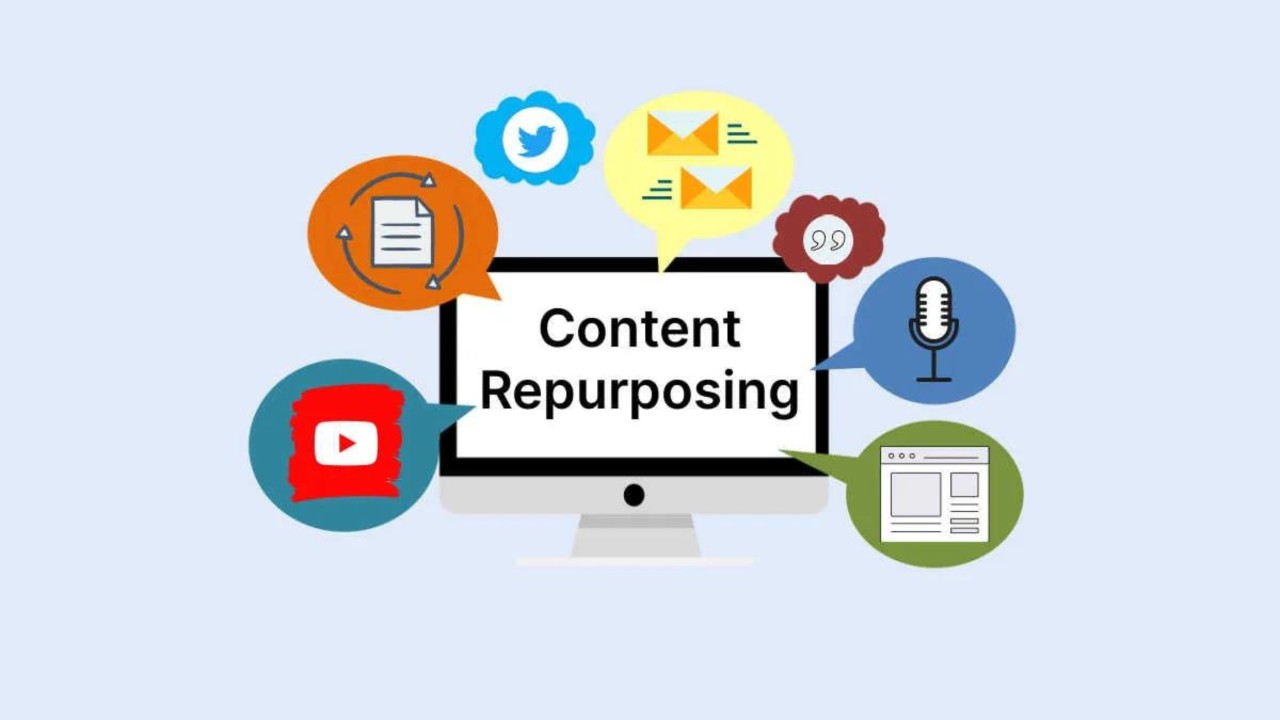
Publishing requires a constant flow of ideas, but over time it becomes harder to come up with fresh topics for every social network. This is especially true when you manage several platforms at the same time and need to adapt content to different formats.
But not every new post requires a completely new topic. Existing content can be repurposed and used again — more specifically, you can take individual ideas from it and explore them in a different format.
Content repurposing helps save time and turn existing materials into new publications.
What is content repurposing?
Content repurposing is the process of reusing existing content while keeping its main idea but changing its format, structure, or presentation. For example, one topic can be explored through a text post, video, carousel, series of posts, or Stories.
Content repurposing should not be confused with reposting or rewriting. With reposting, the original material is published again with little or no changes. With rewriting, the content stays the same but the text is rewritten in different words. With repurposing, the way the material is presented changes.
It is also important to remember that the same topic can be perceived differently by different audiences. Some people may prefer to read, others to watch, while some may want a short takeaway without the details. That is why, when repurposing content, it is worth choosing a format based on how the audience will find it easiest to consume the topic.
Which posts are worth turning into different formats
Not every post is worth repurposing, so start by looking at which publications have already performed well with your audience.
Open the posts from the last 1–3 months in Popsters and compare them by ER. If a post has a noticeably higher score than the page average, this may indicate greater audience interest in the topic, so you can try exploring it again in a different format.
Also pay attention to comments and shares, as they show how people respond to the topic itself. If people ask questions, share their experiences, or ask for more details, the topic can be developed further. For example, you can turn one of the questions into a separate publication or, conversely, bring the main ideas together in a shorter format.
However, there is no point in repurposing a post just because you need something to publish. If a publication went largely unnoticed and received little response from the audience, several similar variations are unlikely to fix the situation. First, try to understand what did not work, and only then decide whether it is worth returning to the topic.
One idea, different formats
Once you have chosen the material to repurpose, you do not need to transfer it entirely into a new format. The most important thing is to preserve the main idea that interested the audience while changing the way it is presented. If the original idea gets lost during the process, the result will be a different publication rather than a new version of the original material.

The same topic does not have to be presented in the same way every time. For example, a text post can include more details, a video can make the information shorter and more dynamic, a carousel can break the main ideas down into slides, while Stories can include only the most important points so that the publication can be viewed quickly.
At the same time, you do not have to use the same material in every possible format. Choose the options that fit the topic and think about what each format can add. If a new publication simply repeats the original in different words, the approach loses its purpose.
How to check whether repurposing worked
After publishing the new versions, open them in Popsters and see how the audience responded compared with the original publication.
If the new publication has the same or higher ER, this may indicate that the chosen format works well for the topic. If view data is available, also look at ERview, which helps show how many interactions the publication received relative to its number of views.

Compare not only the metrics but also the formats themselves. Text and video have different characteristics, so a lower ER for a video does not necessarily mean that it performed worse. The publication may simply have been viewed by more people, which will be reflected in ERview.
If the new version received noticeably less activity than the original post, do not immediately give up on the topic. The new format or way of presenting it may simply not have worked for the audience. Try changing them and compare the results again in Popsters.
Conclusion
Content repurposing helps make better use of existing materials, so you do not have to start every new publication from scratch. If a topic has already attracted audience interest, you can explore it in a different way by changing its format and presentation.
At the same time, it is important not just to repeat the same publication, but to find ideas in existing content that can be explored in a new way. Popsters helps you identify which materials have already performed well and then compare how the audience responds to their new versions.
Try repurposing one of your successful publications and compare the results of its different versions in Popsters.

Try Popsters Trial plan to get content activity statistics of any pages for a next 7 days for free
Try for free
Popular
-
 Analytics and Statistics for Any Telegram Channel or Chat
-
 How to Increase Telegram Subscribers: Best Free Ways
-
 How to Remove fake Followers on Instagram and Is It Necessary?
-
 YouTube Analytics and Statistics for Other Channels
-
 Instagram Statistics and Analysis: How to View Data of any Account
Try Popsters Trial plan to get content activity statistics of any pages for a next 7 days for free
Try Popsters