What is GEO and how to optimize your website for ChatGPT, Gemini, and Other AI search systems?

Just a few years ago, most people searched for information primarily through Google or Yandex. Today, however, more users are turning to AI services like ChatGPT, Gemini, Claude, and others to find answers. Instead of browsing a list of search results, they receive a ready-made response generated from information gathered across multiple sources.
This shift has given rise to a new area of digital marketing known as Generative Engine Optimization (GEO).
What is GEO and how does it differ from SEO?
Generative Engine Optimization (GEO) is an approach to search optimization focused on increasing a company's visibility and the likelihood of being cited in responses generated by AI-powered search systems such as ChatGPT, Yandex GPT, Google SGE, and similar platforms.
Unlike traditional Search Engine Optimization (SEO), which is primarily designed to improve rankings in search engine results, GEO focuses on making content more visible and relevant to AI-generated answers. In other words, while SEO aims to answer the question, " How can I rank on the first page of Google?", GEO asks, "How can I make AI mention my company when answering users' questions?"

Websites that perform well in traditional search results are also more likely to be referenced by AI systems. Rather than competing with each other, SEO and GEO complement one another as part of a comprehensive search strategy.
How AI search works?
An AI search system uses large language models (LLMs) and artificial intelligence technologies to analyze user queries and generate direct answers instead of simply displaying a list of links.
Many modern AI search systems rely on Retrieval-Augmented Generation (RAG), a technology that combines two key processes: retrieving relevant information from the web and generating a response based on the retrieved content.

Step 1. Understanding the query
Instead of analyzing individual keywords, the language model interprets the overall meaning and intent behind the user's question.
Step 2. Retrieving relevant sources
Once the query has been understood, the system searches the web for the most relevant and reliable sources of information.
Step 3. Generating the answer
The retrieved information is then passed to the language model, which identifies the key facts, compares information from multiple sources, removes duplicate content, and generates a clear, coherent response. Some AI systems may perform additional searches if the initial information is insufficient to produce a high-quality answer.
As a result, instead of opening ten different browser tabs, users receive a concise answer along with links to supporting sources.
What factors influence GEO?
AI companies don't disclose the exact algorithms behind how their systems generate responses. However, several factors have already emerged that can increase the likelihood of a website being selected as a source of information.
1. Expertise and source credibility
Content based on a company's own experience, case studies, and practical insights provides greater value than articles that simply repeat information already available elsewhere.
AI systems tend to favor content that demonstrates genuine expertise and offers unique perspectives rather than generic summaries.
2. Well-structured content
AI models can process content more effectively when it is well organized and logically structured. Using clear H2 and H3 headings, dividing content into meaningful sections, and incorporating tables, bullet points, and concise takeaways makes information easier for both users and AI systems to understand.
3. Structured data
Structured data (Schema.org markup) helps search engines better understand the content of a webpage and makes information easier to process automatically.
The most commonly used schema types include:
- Article -for blog posts and articles;
- FAQPage -for frequently asked questions;
- HowTo -for step-by-step guides;
- Organization or LocalBusiness -for company information.
While structured data does not guarantee visibility in AI-generated responses, it improves the machine readability of website content and supports better indexing by search engines.
4. Brand reputation and external mentions
Brand credibility is strengthened through media coverage, expert publications, conference participation, industry events, and customer reviews.
Research in the field of GEO suggests that a company's presence across authoritative online sources - not just on its own website - may increase the likelihood of being referenced by AI systems when generating responses.
5. Technical website quality
Technical optimization remains an important part of GEO.
If web pages load slowly or contain technical issues, search engines may have difficulty crawling and processing their content. Keeping your sitemap.xml up to date helps search engine crawlers discover new pages and content updates more efficiently.
Properly configuring robots.txt is equally important. This text file defines crawling rules for search engine bots and can restrict access to specific sections, pages, or files. However, incorrect configuration may accidentally block access to important content.
Another emerging standard is llms.txt - a text file placed in the root directory of a website that provides structured information about its most important content, making it easier for AI services to understand and navigate. While major AI platforms have not officially confirmed support for llms.txt, interest in the format continues to grow.

6. Content freshness
AI systems aim to provide users with the most accurate and up-to-date information available. For this reason, companies should regularly review their content, update statistics, check for broken links, and add new case studies or examples.
It's also important to remember that some AI models are trained on previously collected data, meaning updates to a website may not be reflected immediately in AI-generated responses. As a result, GEO should be viewed as a long-term strategy that requires continuous investment in content quality and relevance.
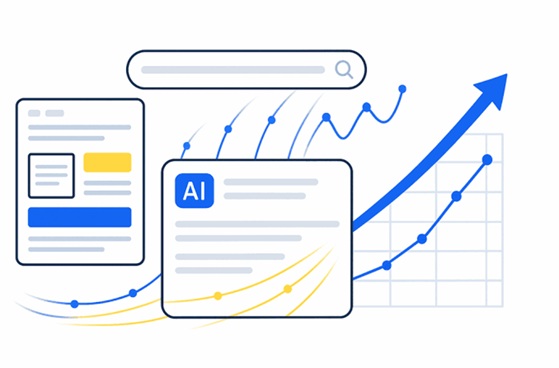
Generative search is gradually changing the way people discover information online. As AI services increasingly become intermediaries between businesses and users, companies need to adapt by creating expert, well-structured content, maintaining a strong brand reputation, and ensuring their websites meet modern technical standards.
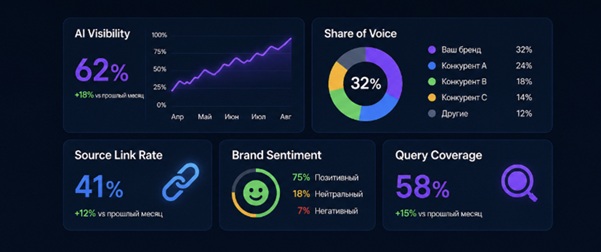
Key metrics for measuring GEO performance?


Try Popsters Trial plan to get content activity statistics of any pages for a next 7 days for free
Try for free
Popular
-
 Analytics and Statistics for Any Telegram Channel or Chat
-
 YouTube Analytics and Statistics for Other Channels
-
 How to Increase Telegram Subscribers: Best Free Ways
-
 How to Remove fake Followers on Instagram and Is It Necessary?
-
 Instagram Statistics and Analysis: How to View Data of any Account
Try Popsters Trial plan to get content activity statistics of any pages for a next 7 days for free
Try Popsters