What is SEO? How search engine optimization works in 2026
Finding information online used to be straightforward. Users entered a search query, browsed a list of websites, clicked on one of the results, and searched for the answer on the page.
Today, search has become much more sophisticated. Alongside traditional search results, users now see AI-generated answers, featured snippets, maps, videos, images, business profiles, review platforms, advertisements, and other search features that often provide the information they need without requiring a visit to a website.
However, this does not mean websites have become less important. On the contrary, high-quality websites have become the primary source of information for search engines and AI-powered services. Well-structured, expert, and regularly updated content can appear not only in traditional organic search results but also in AI-generated answers, featured snippets, business profiles, and other search experiences.
What is SEO?
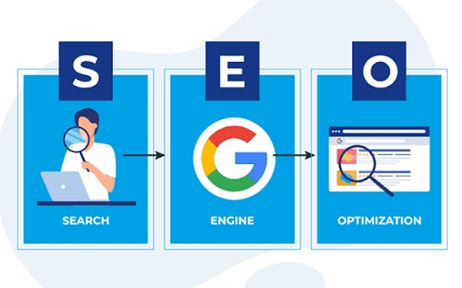
Search Engine Optimization (SEO) is the process of improving a website so that search engines can better understand its content and rank it higher in organic search results for relevant queries.
Simply put, SEO is everything you do to help potential customers find your website when they search for products, services, or information related to your business.
SEO is a long-term investment in business growth. A properly optimized website can maintain strong search rankings for months, generating consistent organic traffic without requiring payment for every visitor.
The importance of SEO is reflected in the following statistics:
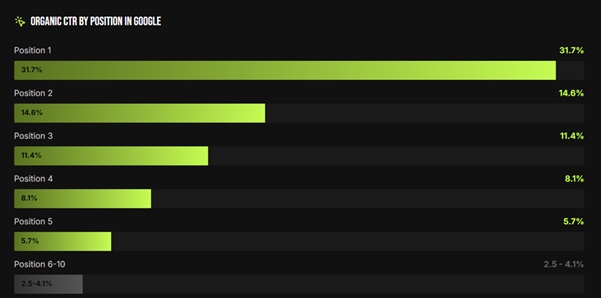
- The top three organic search results receive approximately 55–60% of all clicks.
- Websites on the second page of search results receive less than 1% of all clicks.
- More than 70% of users ignore paid advertisements and choose organic search results instead.
- SEO investments typically begin generating a positive return within 6–12 months, while the strongest results are often achieved during the second or third year of a long-term SEO strategy.
How Search Engines Work?
The main purpose of a search engine is to help users quickly find the most relevant information online. To do this, search engines process enormous amounts of data and determine which pages best match each search query.
Major search engines such as Google and Yandex perform three key functions.
1. Crawling
Search engine bots, also known as crawlers, continuously scan the web by following links between pages and collecting information. During this process, they analyze page content, website structure, technical performance, and many other factors.
If a crawler cannot access a page or discover it, that page will not appear in search results.
2. Indexing
Once a page has been crawled, the collected information is processed and stored in the search engine's index—a massive database containing information about billions of web pages.
During indexing, search engines determine:
- what the page is about;
- whether the content is unique;
- whether it meets quality standards;
- which search queries the page is relevant for.
3. Ranking
When a user submits a search query, the search engine analyzes its index and returns the most relevant results within a fraction of a second.

In 2026, the most important ranking factors include:
- Content quality and relevance — how accurately the page answers the user's query.
- E-E-A-T (Experience, Expertise, Authoritativeness, and Trustworthiness) — the credibility, expertise, and reliability of the content and its source.
- Technical website performance — page speed, mobile optimization, security, and the absence of technical errors.
- User Experience (UX) — intuitive navigation, readability, and a clear page structure.
- Backlink profile — the quality and authority of websites linking to your content.
Search engines evaluate all of these signals together to determine which websites deserve the highest positions in search results and which should rank lower.
How SEO has changed over the past 15 years?
Between 2010 and 2020, search engines became much better at understanding the actual content of web pages. They learned to distinguish valuable, user-focused content from pages created primarily to manipulate search rankings. As a result, websites filled with keywords but offering little real value gradually lost their positions in search results.
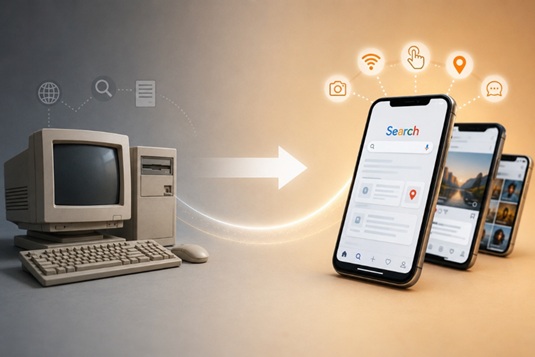
During the same period, users increasingly shifted from desktop computers to smartphones, making mobile search the new standard. In response, search engines began prioritizing websites that loaded quickly, provided a seamless mobile experience, and were easy to navigate.
After 2020, the rapid development of artificial intelligence fundamentally changed the way search engines process information. Instead of simply matching keywords, they started interpreting the intent behind each search query and delivering the most relevant and helpful answer.
As a result, modern SEO has become increasingly focused on content quality and user needs. Today, achieving strong search visibility requires more than technical optimization. Websites must provide clear, accurate, and valuable information that genuinely helps users answer their questions and solve their problems.
What’s next for SEO in 2026–2030?

SEO will continue to evolve alongside search engines and artificial intelligence.
Search engines are becoming increasingly effective at understanding user intent and evaluating how well content answers a user's question or solves a specific problem. As a result, websites that publish expert, up-to-date, and well-structured content are more likely to achieve higher rankings than those that focus solely on keyword optimization.
At the same time, users no longer rely only on traditional search results. They also find information through AI-generated answers, featured snippets, maps, business profiles, and other search features. This means that businesses need to focus not only on improving their website rankings but also on building a strong and consistent digital presence across multiple platforms.
As SEO continues to evolve, it is becoming an integral part of a broader marketing strategy. Companies need to build brand authority, keep their information accurate across all digital channels, publish valuable content, and earn the trust of their audience. This comprehensive approach will help businesses maintain strong search visibility regardless of how search engine algorithms continue to change.

Try Popsters Trial plan to get content activity statistics of any pages for a next 7 days for free
Try for free
Popular
-
 YouTube Analytics and Statistics for Other Channels
-
 Instagram Statistics and Analysis: How to View Data of any Account
-
 Analytics and Statistics for Any Telegram Channel or Chat
-
 How to Remove fake Followers on Instagram and Is It Necessary?
-
 How to Increase Telegram Subscribers: Best Free Ways
Try Popsters Trial plan to get content activity statistics of any pages for a next 7 days for free
Try Popsters