The Impact of the COVID-19 Pandemic on Education and the Job Market
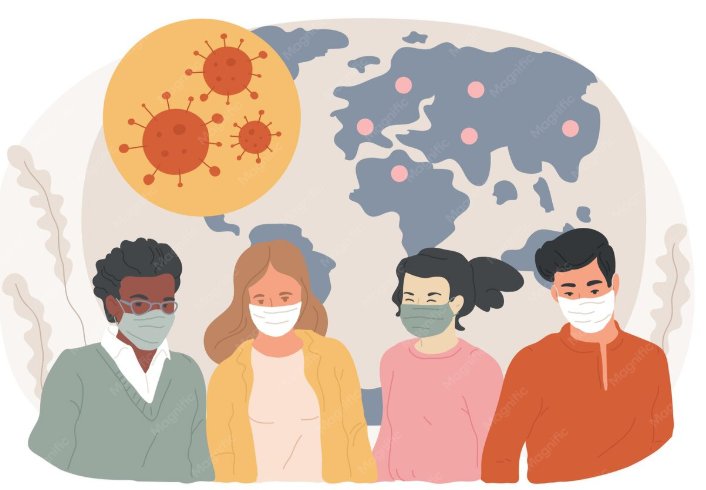
The COVID-19 pandemic, which swept across the world in 2020, posed a major challenge to all aspects of life, particularly education and the job market. Lockdowns and restrictive measures led to a large-scale shift toward remote learning and work, marking the beginning of profound global changes.
The Transformation of Education

Educational institutions at all levels were forced to rapidly adapt to new realities. The pandemic accelerated the development of EdTech technologies and emphasized the importance of digital literacy, laying the foundation for the further transformation of education into hybrid models that combine online and offline learning.
Modern platforms like Udemy, Duolingo, and Google Classroom leverage artificial intelligence, adaptive learning, and gamification to make education more personalized and accessible. Virtual and augmented reality (VR/AR) allow students to engage with complex subjects through interactive simulations, while big data analytics help track student progress and tailor learning programs to individual needs.
Additionally, platforms like Zoom provide high-quality video conferencing, seamless virtual meetings, and recording capabilities. Microsoft Teams integrates video calls, chat, and document collaboration while ensuring security and integration with Microsoft 365. These tools enabled millions of people to stay connected, learn, and work remotely during lockdowns.
However, remote learning also introduced challenges. Students had to become more self-disciplined, but not everyone was prepared for this, leading to a decline in academic performance. Many struggled with concentration, lack of in-person interaction, and motivation issues.
Despite these challenges, there was a significant rise in interest in self-education. People started acquiring new skills through online courses, gaining access to leading educational resources worldwide. This shift fostered the development of hybrid learning formats that blend traditional and digital approaches, increasing their flexibility and accessibility.
Changes in the Job Market
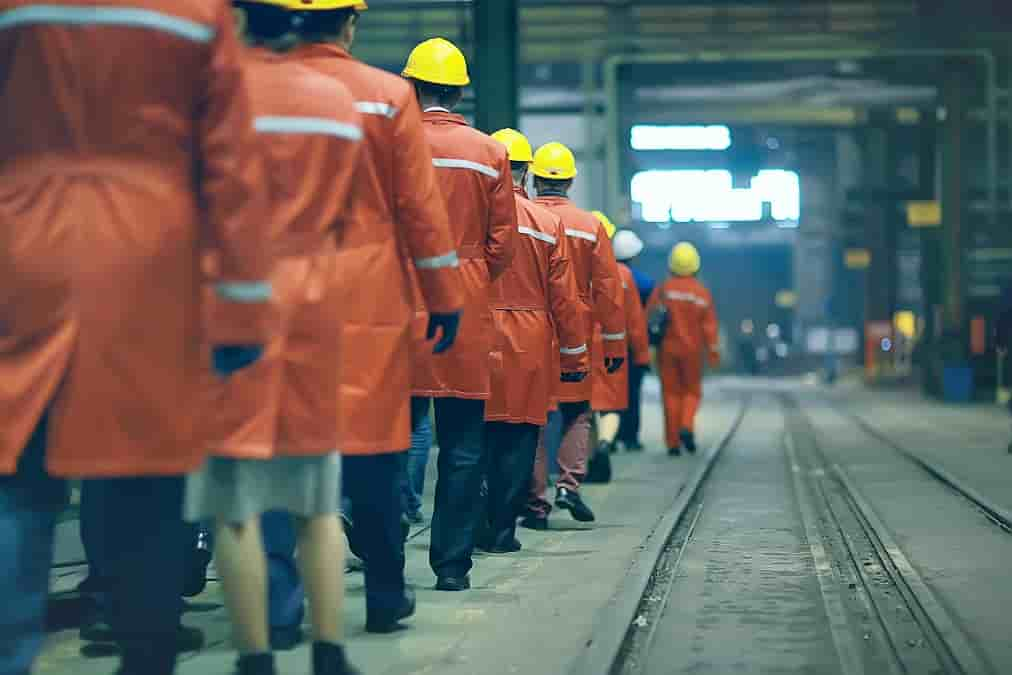
The 2020 pandemic triggered a massive transition to remote work, leading to an unprecedented transformation in work organization. IT companies, education, finance, marketing, and other sectors that do not require physical presence successfully adapted to remote formats. In contrast, industries such as tourism, hospitality, restaurants, and manufacturing faced severe crises due to their inability to operate online.
Remote work brought both advantages and challenges. Flexible schedules, reduced commuting time, and the ability to work from anywhere enhanced employee comfort. However, the lack of in-person communication, blurred boundaries between work and personal life, and reduced team synergy became significant issues.
Work-life balance was at risk, as work increasingly intruded into personal space, leading to burnout. As a result, the pandemic not only reshaped traditional work models but also compelled employers to rethink team management, adopt hybrid formats, and develop new employee motivation strategies.
New Skill Requirements

In remote and hybrid work environments, employees had to become proficient in online tools for communication, project management, and collaboration. Besides technical skills, employers began to prioritize flexibility, creativity, and adaptability, as the unstable economic situation required businesses to quickly restructure and find new solutions. Consequently, many professionals started exploring adjacent fields and investing in self-development.
Freelancing and short-term contracts also saw significant growth, as companies aimed to reduce fixed costs and hire specialists for specific tasks. This shift led to changes in employment structures, with more individuals opting for project-based work and independent professional careers, requiring strong self-organization and time management skills.
However, this transition also highlighted new challenges: the lack of in-person interaction, difficulties in maintaining team spirit, and reduced employee engagement. Recognizing these issues, companies began implementing employee support programs, such as online stress resilience training, psychological counseling, and flexible work schedules to maintain a balance between professional and personal life. As a result, the pandemic not only transformed team collaboration but also underscored the importance of mental health, influencing corporate culture and management approaches in the long run.
Long-Term Effects and Future Trends

The COVID-19 pandemic acted as a powerful catalyst for digital transformation, accelerating the adoption of technology in education and the job market. Companies and educational institutions had to rapidly adapt to new conditions, widely adopting remote work and learning formats. This shift contributed to the development of hybrid models that combine online and offline methods, offering greater flexibility and accessibility.
In the future, trends such as process automation, artificial intelligence advancements, and personalized learning will continue reshaping professional landscapes. The demand for professionals with strong digital literacy and adaptability will likely increase.
To support digital literacy, various applications help users master essential tech skills, internet safety, and digital tools. For example, Google Digital Garage and SberUniversity’s "Digital Professions" courses provide training on internet marketing, data analytics, and programming. Khan Academy and Code.org teach coding and algorithm fundamentals, while Duolingo ABC and TypingClub enhance typing skills and digital communication. Cybersecurity apps like Kaspersky Security Cloud and CyberWise educate users on safe online behavior. These tools make digital education accessible to all age groups and skill levels.
Conclusion
Thus, the pandemic not only accelerated digital evolution but also established new long-term models of work and education that will continue evolving post-crisis.
One of the key takeaways has been the recognition of flexibility as a critical factor: companies and educational institutions have learned to adapt quickly to changes, while employees and students have realized that the ability to swiftly acquire new skills and embrace technology is essential for success in the modern world.
Useful article on a similar topic:
- The Art of Social Media Gamification: Engaging your audiences with play.

Try Popsters Trial plan to get content activity statistics of any pages for a next 7 days for free
Try for free
Popular
-
 How to Increase Telegram Subscribers: Best Free Ways
-
 How to Remove fake Followers on Instagram and Is It Necessary?
-
 YouTube Analytics and Statistics for Other Channels
-
 Analytics and Statistics for Any Telegram Channel or Chat
-
 Instagram Statistics and Analysis: How to View Data of any Account
Try Popsters Trial plan to get content activity statistics of any pages for a next 7 days for free
Try Popsters