What is UGC and why is it relevant in 2026?

Today, marketing is gradually evolving with the emergence of new content formats, the rapid development of AI, and continuous changes to social media algorithms. However, one thing remains unchanged - people trust other people. That is why most users read reviews and watch unboxing videos before making a purchase to make sure they are making the right choice.
This is why user-generated content (UGC) plays an important role in promoting companies' products and services.
What is UGC?
UGC (User-Generated Content) is content created by ordinary users and customers rather than by a company or its employees. For example, a customer may record an unboxing video of a new smartphone, post a photo of a restaurant meal while tagging the venue, leave a review on a marketplace with product photos, or share their experience of using a cosmetic product on social media.
Over time, the concept of UGC has expanded. In addition to traditional user-generated content, companies now also use content created by UGC creators and brand ambassadors. Regardless of the format, the goal of UGC remains the same - to create authentic content that builds audience trust and increases engagement.
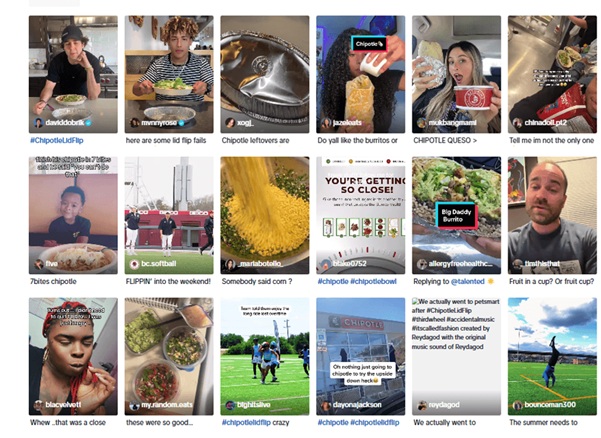
Types of UGC:
- Organic UGC
Users voluntarily share their experience with a product or service without receiving any payment. This may include reviews, photos, or videos. This type of content generates the highest level of trust, but unfortunately, it cannot be predicted or planned.
For example, after making a pu
rchase, a customer posts a photo of their new outfit on social media and tags the brand without receiving any compensation.
- Incentivized UGC
A company encourages users to share their experience by offering a discount in exchange for a review or by placing a QR code that invites customers to leave feedback. This makes it possible to collect user-generated content on a regular basis, although it still depends on whether the customer was satisfied with the product.
For example, an online store offers a 10% discount on the next purchase in exchange for a review with a product photo, while a coffee shop gives customers a free drink for posting an Instagram Story and tagging the venue.
- Content created by UGC creators
This is content produced by creators based on a company's creative brief but designed to look as natural and authentic as possible.
For example, a cosmetics brand commissions several short videos featuring product unboxings and demonstrations, which are later used on social media, the company's website, and in advertising campaigns.
According to advertising regulations, this type of UGC must be clearly labeled as advertising. Attempting to present it as an organic customer review may result in legal penalties and a loss of audience trust.

Each type of UGC has its own advantages, which is why companies often use several types of user-generated content simultaneously, depending on their marketing objectives.
Why UGC remains an effective marketing tool ?
UGC continues to play an important role in the marketing strategies of many companies because it helps build trust with audiences, increases engagement, and supports potential customers throughout the purchasing journey.
The effectiveness of UGC is also supported by research:
- 92% of consumers trust recommendations from friends, family members, and other users more than traditional advertising.
- 79% of users say that user-generated content influences their purchasing decisions.
- Using UGC can increase website conversion rates by approximately 29%.

- Helping customers make purchasing decisions
Before making a purchase, users often look for confirmation that a product meets their expectations. As a result, they pay close attention to reviews, real photos, and videos. This type of content allows potential customers to see a product in real-life situations, helping reduce uncertainty before making a purchase.
For example, before buying home appliances, consumers often watch video reviews, while travelers rely on photos and reviews from other guests when choosing a hotel.
- Improving marketing performance
UGC is used not only on social media but also in advertising campaigns, on websites, marketplaces, and email marketing, allowing companies to reuse the same content across multiple channels.
For example, a customer review can be displayed on a product page, featured in a paid advertisement, and shared on the company's social media accounts.
- Creating a continuous flow of content
Users constantly create new content, giving companies a steady stream of fresh and authentic material that helps keep social media, websites, and other communication channels active.
For example, a fashion brand can share photos of customers wearing its products, a travel company can repost photos taken by travelers during their trips, and an online learning platform can feature graduates' success stories and achievements.
- Optimizing content production costs
UGC helps companies reduce content creation costs because the same content can be reused across different marketing channels. However, if a company plans to use user-generated content in advertising or republish it on its own platforms, it is important to obtain the creator's permission in advance.
For example, an unboxing video posted by a customer can later be featured on the company's website, social media channels, and advertising campaigns after receiving the author's consent.
- Building a loyal community
UGC is not only about driving sales - it is also about building relationships with customers.
When a company thanks users for their reviews, responds to comments, highlights the best customer stories, and rewards active contributors, customers feel valued and involved. This strengthens their emotional connection with the brand and increases the likelihood of repeat purchases.
Over time, active customers often become brand ambassadors.

How brands can use UGC in 2026 ?
Today, companies use UGC not only on social media but also in advertising, on websites, and across other communication channels. Let's look at some of the most common ways brands use user-generated content in practice.
- Using UGC across different communication channels
Customer reviews, photos, videos, and real product experiences help showcase products from the customer's perspective. This type of content can be used on websites, social media, and in advertising campaigns to build trust, make communication feel more authentic, and attract audience attention. Real reviews and unboxing videos also generate greater interest among users.
For example, real estate developers publish apartment video tours created by homeowners, beauty brands feature authentic customer reviews in advertisements, and food delivery services share photos of meals taken by customers.
- Encouraging customers to create UGC
Companies encourage customers to leave reviews by offering rewards, running contests, using branded hashtags, or simply asking buyers to share their experiences after making a purchase.
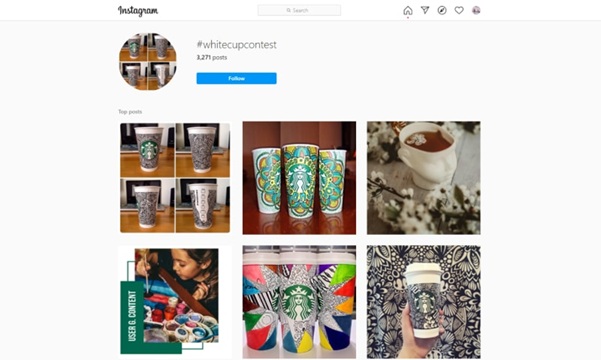
One well-known example is Starbucks' White Cup Contest. Customers were invited to decorate Starbucks' iconic white paper cups, take a photo, and share it on social media. The winning design was later used to create a limited-edition reusable cup. The campaign successfully motivated customers to create content and significantly increased audience engagement.
- Collaborating with UGC creators
By working with UGC creators, companies can scale content production and respond more quickly to new trends. This allows brands to update their content regularly and maintain an active presence across their social media channels.
- Using AI-generated UGC
Many companies use AI to create product reviews, demonstrations, advertising videos, and virtual avatars, helping them produce content more quickly and adapt it for different platforms. However, some people remain skeptical of AI-generated content, so it is best combined with real customer reviews and authentic user stories to maintain audience trust.

- Using short-form vertical videos
Users consume short-form vertical videos more quickly and are more likely to watch them through to the end. As a result, many brands create UGC in formats such as Reels, Shorts, and TikTok, featuring authentic reviews, unboxing videos, and product demonstrations.
For example, this may include short gadget reviews, marketplace unboxing videos, clothing try-ons, or comparisons of cosmetic products published as Reels, Shorts, or TikTok videos.
Conclusion
The development of social media and artificial intelligence is creating new opportunities for companies to work with UGC. However, one principle remains unchanged - people continue to trust the real experiences of other people. That is why UGC remains one of the most effective marketing tools, helping companies build audience trust, increase engagement, and develop long-term relationships with their customers.

Try Popsters Trial plan to get content activity statistics of any pages for a next 7 days for free
Try for free
Popular
-
 How to Remove fake Followers on Instagram and Is It Necessary?
-
 YouTube Analytics and Statistics for Other Channels
-
 Analytics and Statistics for Any Telegram Channel or Chat
-
 Instagram Statistics and Analysis: How to View Data of any Account
-
 How to Increase Telegram Subscribers: Best Free Ways
Try Popsters Trial plan to get content activity statistics of any pages for a next 7 days for free
Try Popsters